
Škoda Kodiaq Towing Capacity Explained
Key Takeaways
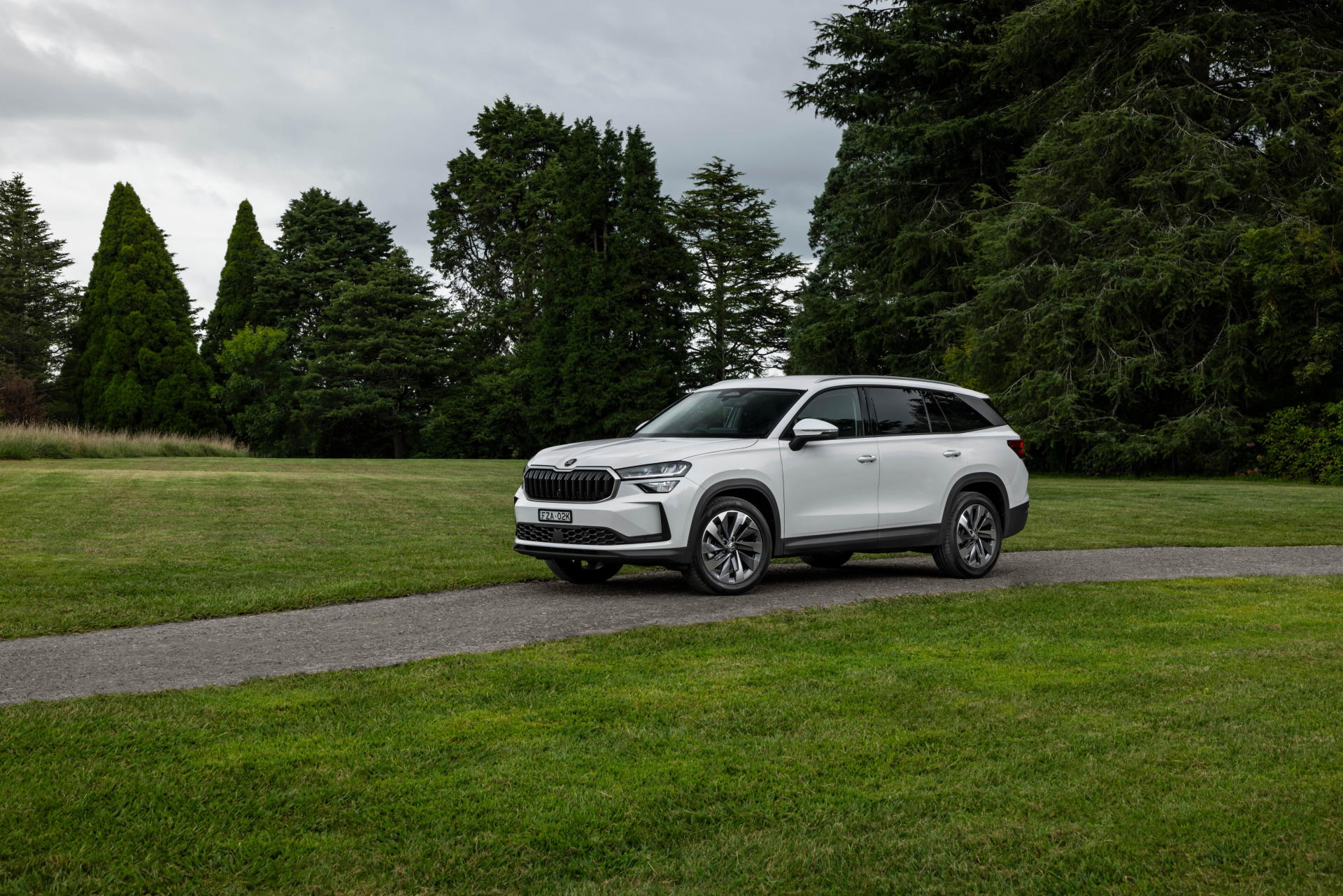
- The Škoda Kodiaq towing capacity is up to 2,000kg braked, or up to 2,300kg on newer variants
- It can also tow up to 750kg unbraked, suitable for lighter trailers
- This covers camper trailers, small to mid-sized caravans, boats (4–6 metres), and jet skis
- It’s best suited to family towing, weekend trips, and occasional use
- Heavier, full-size caravans may require a higher-capacity SUV
If you’re researching the Škoda Kodiaq towing capacity, you’re likely trying to answer a fairly straightforward question: is it actually enough for what you want to tow?
It’s worth looking at properly. While most SUVs are more than capable for everyday driving, towing is where the differences start to matter—especially once you factor in caravans, boats, or a fully loaded trailer for a weekend away.
On paper, the Kodiaq is rated to tow up to 2,000kg braked (up to 2,300kg on newer variants), which is a strong figure for a mid-size SUV. What matters more is how that translates into everyday use, whether that’s a family caravan, a boat at the ramp, or simply having the flexibility to tow when you need it.
What Can the Škoda Kodiaq Pull with Its Towing Capacity?
Once you move past the numbers, the more useful question is what that capacity looks like day to day.
For many buyers, it lines up with the kind of towing that happens on weekends or holidays rather than heavy, ongoing loads.
Caravans: Where it fits comfortably
The Kodiaq covers camper trailers, pop-tops, and a large portion of small to mid-sized caravans once loaded. That’s where most family setups sit, particularly for trips around WA rather than long-term touring with a full-size van.
Boats: A good match for weekend use
A 4 to 6 metre boat, whether aluminium or fibreglass, sits well within its range. Even with gear and trailer weight added, it remains comfortably within limits for recreational use.
Jet skis and lighter loads
Jet skis are a straightforward task. Even a double trailer setup leaves plenty in reserve, which helps keep things feeling relaxed on the road.
The everyday stuff
Box trailers, furniture moves, and garden equipment; this is where the Kodiaq often gets used the most. It’s less about big trips and more about having something capable when needed.
Where you might need to think twice
Heavier caravans push closer to the upper limit, particularly once fully loaded. That doesn’t rule the Kodiaq out, but it does mean paying closer attention to weights and how often you’ll be towing.
Is 2,000kg Towing Capacity Enough?
This is where things often get overcomplicated.
It’s easy to assume that more towing capacity is always better, which is how many buyers end up looking at large SUVs with 3,000kg+ ratings. For some, that level of capability is necessary.
For many others, it’s more than they’ll ever use.
Where it fits for most drivers
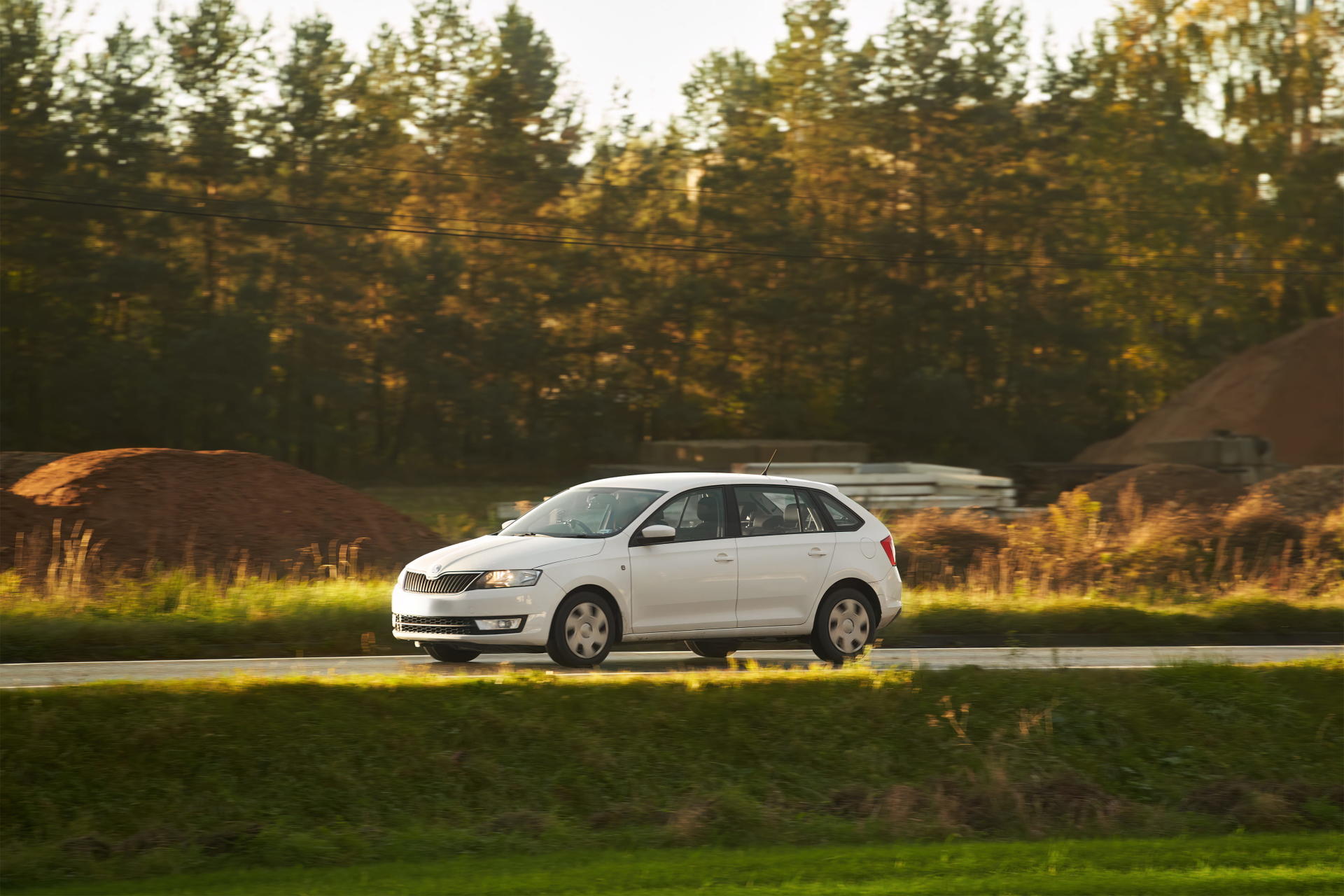
The Škoda Kodiaq towing capacity places it in a range that covers a large portion of real-world needs. Most caravans, boats, and trailers used for family trips fall within that window when loaded.
The trade-offs of going bigger
Higher towing capacity usually comes with a larger, heavier vehicle. That affects fuel use, manoeuvrability, and everyday driving.
A more balanced approach
The Kodiaq offers enough capability for common towing scenarios while remaining easy to live with during the week. You’re not carrying extra size and running costs for something you only use occasionally.
When it might not be enough
If you’re regularly towing heavier caravans or planning extended trips with larger loads, a higher-capacity SUV is still the better fit.
For most drivers, though, towing is occasional. In that context, something like the Kodiaq tends to make more sense over time.
Engine Performance & What It’s Like to Tow
Towing isn’t just about the headline number. What matters more is how the vehicle feels once you’re on the road, especially over longer distances or in changing conditions.
In practice, the Kodiaq delivers a setup that feels controlled and predictable.
Pulling power where it matters
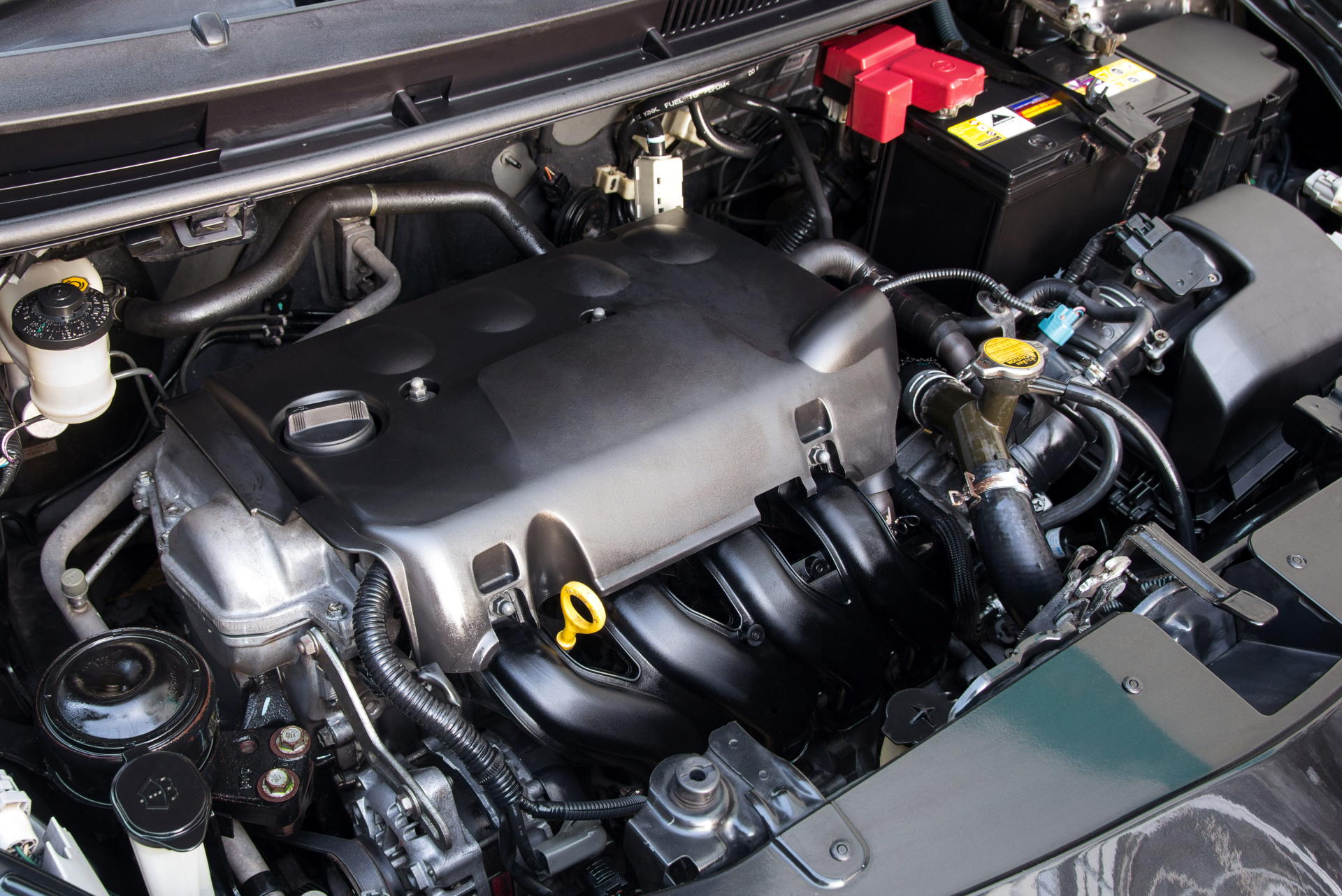
The turbocharged engine delivers torque lower in the rev range, which helps when pulling away or climbing. It feels steady rather than strained.
Smooth, predictable gear changes
The DSG transmission keeps shifts quick and seamless, reducing hesitation and helping maintain momentum.
Traction when conditions change
On AWD variants, grip is managed automatically across wet roads, gravel, or ramps. It’s not something you actively think about—it just works.
Stability on longer drives
At highway speeds, the Kodiaq remains composed. You’ll still feel the trailer, but it tracks cleanly and avoids the unsettled feeling that can come with heavier setups.
Towing Safety & Technology
Beyond performance, control plays a big role in towing confidence.
Keeping things stable
Trailer Stability Assist can detect sway and apply braking adjustments to bring things back under control, particularly in crosswinds or uneven loads.
Making manoeuvres easier
Rear-view cameras and parking sensors make reversing and positioning more manageable, especially if towing isn’t part of your daily routine.
Traction and braking support
All-wheel drive and braking systems work together to maintain control under load, particularly in stop-start traffic or when slowing from speed.
Fuel Consumption When Towing: What to Expect
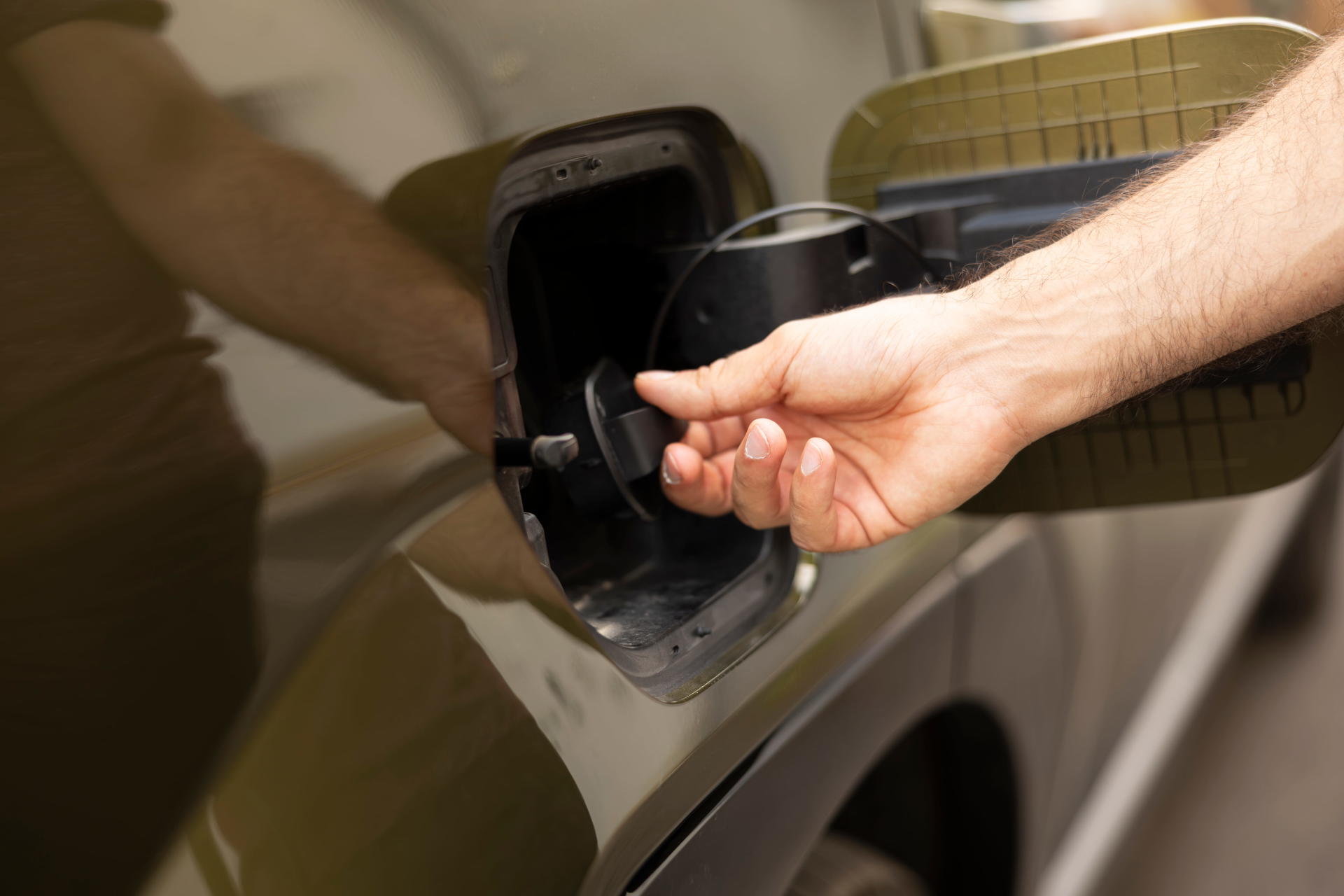
Fuel use will increase when towing. That’s true across any vehicle.
The difference comes down to how much you’re towing, how often, and under what conditions.
What affects fuel use
Weight, speed, terrain, and load balance all play a role. Lighter setups have a smaller impact, while heavier loads—especially near the upper limit—require more fuel.
Where the Kodiaq still makes sense
Outside of towing, the Kodiaq is generally more efficient than larger SUVs. For many owners, that everyday use matters more over time.
Thinking about it practically
Fuel use rises with load and distance, particularly on highways or hills. Planning for that is part of towing, regardless of the vehicle.
For most drivers, the bigger factor is how often they tow versus how they use the car day to day.
Škoda Kodiaq vs Larger SUVs: Do You Actually Need More?
This is usually where larger SUVs start to come into the conversation.
Vehicles like the Toyota Prado and Ford Everest offer higher towing capacities, but they’re built for heavier-duty use.
How the Kodiaq compares
| Vehicle | Towing Capacity (Braked) | Everyday Driving | Fuel Use (General) | Best Fit |
| Škoda Kodiaq | Up to 2,300kg* | Smooth, car-like | Very efficient (6.0–9.2L/100km) | Families, light/weekend towing |
| Toyota Prado | Up to 3,500kg | Larger, heavier | Moderate to high (diesel) | Heavy caravans, off-roading |
| Ford Everest | Up to 3,500kg | Truck-based, but refined | Moderate to high (V6/Bi-Turbo) | Maximum towing, 4x4 touring |
| Kia Sorento | Up to 2,000kg | Balanced, composed | Efficient (hybrid options) | Direct competitor |
Note: While many models are rated at 2,000kg, certain variants of the Škoda Kodiaq (like the 2.0 TDI 4x4) are now rated up to 2,300kg. It remains the most ‘car-like’ because it uses a monocoque chassis rather than a heavy truck-style frame.
Looking beyond the numbers
Moving to a 3,500kg towing capacity usually means a larger, heavier vehicle designed around durability and off-road use. That changes how it feels day to day.
Where the Kodiaq fits
The Kodiaq offers a middle ground. It covers common towing needs while remaining comfortable and manageable for everyday driving.
If towing heavy loads is routine, a larger SUV is the better choice. For occasional towing, the balance shifts.
Who the Škoda Kodiaq Suits for Towing
By this point, the picture is fairly clear.
The Kodiaq tends to suit drivers who want towing capability as part of a broader mix, rather than the main focus of the vehicle.
Families with caravans and weekend plans
If you’re towing a camper trailer, pop-top, or a lighter touring caravan, the Kodiaq sits comfortably in that range. It’s well-suited to family trips, whether that’s heading down south or exploring closer to home.
Boat and jet ski owners
For those towing a boat or jet skis, the Kodiaq covers the typical sizes used recreationally. It’s the kind of setup that works well for weekend use without needing to step up to a larger, more specialised SUV.
Drivers who want a balanced day-to-day
This is where it makes the most sense. If your week is mostly made up of commuting, school runs, and general driving—with towing added in when needed—the Kodiaq fits that mix without feeling oversized or inefficient the rest of the time.
Where it might not be the right fit
If you’re regularly towing larger caravans or heavier loads, especially over long distances, a higher-capacity SUV is still the more suitable option. That’s where vehicles built specifically for heavy-duty towing come into their own.
Is the Škoda Kodiaq Right for Your Towing Needs?
The Škoda Kodiaq towing capacity sits in a range that reflects how many people actually use their vehicles.
It handles caravans, boats, and trailers without stepping into the size and cost of larger SUVs, while still remaining comfortable day to day.
That balance is what defines it. Not maximum capability, but the kind that fits into everyday life.
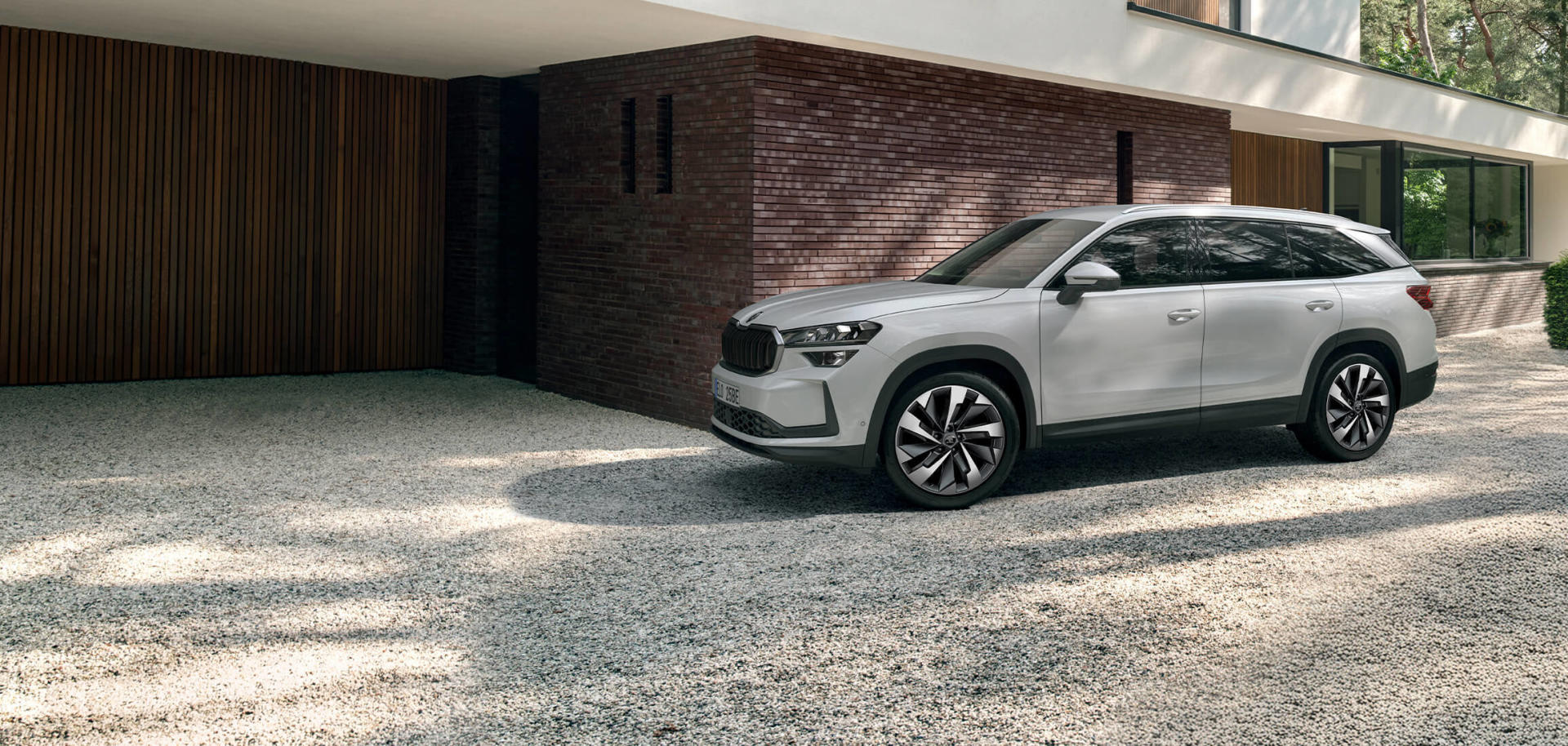
Explore the Škoda Kodiaq at Škoda Perth City
If you’re considering a Kodiaq for towing, the best way to understand how it fits is to see it in person.
At Škoda Perth City, you can explore the range, compare variants, and talk through your towing needs with a team that regularly helps customers match their towing needs to the right setup.
Book a test drive or visit our showroom to see how the Kodiaq performs on the road.